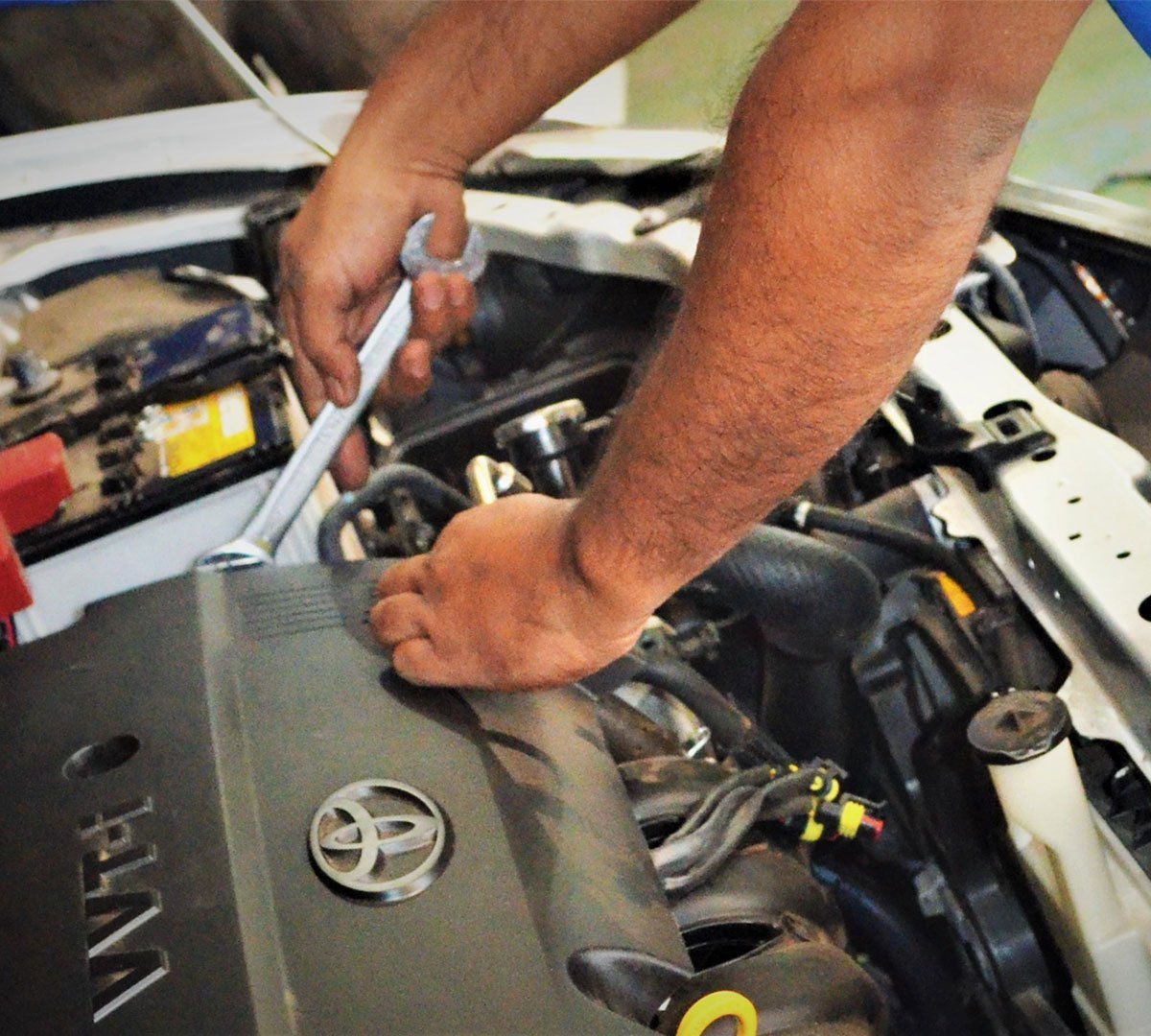
CNG kits produced at our facility and dispatched to buyers across Sikkim.
CNG Kit Installation in
Sikkim
Sikkim, the "Land of the Thunder Dragon" nestled in the Eastern Himalayas, is a breathtaking state known for its pristine glaciers, deep valleys, and vibrant Buddhist culture. However, driving here is an extreme challenge. From the steep, narrow, and often fog-covered roads of Gangtok and the Nathu La pass to the rugged terrains of North Sikkim, vehicles endure severe altitude stress, freezing winters, and heavy monsoons. Being landlocked and heavily reliant on fuel tankers navigating the fragile NH10, petrol and diesel prices are extraordinarily high, severely impacting daily commuters and the massive tourist taxi fleet.
Cars Energy provides state-of-the-art, fully compliant CNG installation services across Sikkim. As India's first fully organic state, Sikkim is deeply committed to ecological preservation, and CNG aligns perfectly with this green vision. We specialize in AIS-024/AIS-028 type-approved sequential kits, PESO-certified cylinders, extreme-cold and high-altitude calibration, heavy-duty waterproofing, and complete Sikkim RTO endorsement support. Whether you drive a personal hatchback in Namchi or operate a commercial tourist taxi to Lachung, we ensure a safe, powerful, and legally verified conversion.
Request a Sikkim Installation Quote →Table of Contents
- 3. Why Sikkim is Switching to CNG
- 4. City Gas Geography & Station Density in Sikkim
- 5. Our CNG Kit Range for Sikkim Buyers
- 6. Choosing the Right Kit for Sikkim Roads
- 7. Kit Comparison Table
- 8. What to Inspect Before Approving
- 9. Component Inspection Table
- 10. Installation Process Step-by-Step
- 11. Sikkim CNG Pricing & Timelines
- 12. Pricing Table
- 13. Legal & RTO Endorsement Requirements
- 14. Documents Required for RC Endorsement
- 15. Cylinder Safety & Hydro-Testing
- 16. Post-Installation Maintenance & AMC
- 17. Impact on Vehicle Warranty & Insurance
- 18. CNG vs. Petrol vs. Diesel Economics
- 19. Troubleshooting Common CNG Issues
- 20. Fleet Conversions: Tourism & Logistics in Sikkim
- 21. Why ECU Tuning Matters in Sikkim's Altitude
- 22. First-Time CNG Buyer's Guide
- 23. Claiming Insurance After a CNG Incident
- 24. Environmental Impact in Sikkim
- 25. Common Myths About CNG Kits
- 26. Post-Conversion Checklist
- 27. Upcoming CNG Infrastructure in Sikkim
- 28. Customer Success Stories
- 29. Sikkim Districts & Markets We Serve
- 30. Location Grid
- 31. Frequently Asked Questions
- 32. Why Choose Cars Energy
- 33. Book Your Installation Today
3. Why Sikkim is Switching to CNG
The economic rationale for adopting CNG in Sikkim is exceptionally strong. The state's fuel supply chain is entirely dependent on tankers navigating the highly landslide-prone NH10 from Siliguri. This logistical bottleneck results in some of the highest retail fuel prices in the country. For a daily commuter navigating Gangtok's steep, narrow roads, or a commercial taxi driver taking tourists to Tsomgo Lake or Pelling, these high prices severely impact their savings and profit margins.
By switching to a Sequential CNG kit, vehicle owners can reduce their daily running costs by up to 60%. The initial investment in a high-quality kit pays for itself rapidly. Beyond the massive financial savings, Sikkim is a deeply eco-sensitive state—it is India's first fully organic state and a global biodiversity hotspot. CNG produces significantly lower particulate matter (PM) and nitrogen oxides (NOx) compared to petrol or diesel. By converting to CNG, the citizens and commercial operators of Sikkim are actively preserving the pristine air quality, glaciers, and lush green forests of the Himalayas.
4. City Gas Geography & Station Density in Sikkim
Sikkim's CNG infrastructure is in its foundational stages. The City Gas Distribution (CGD) networks are being planned and expanded under the Petroleum and Natural Gas Regulatory Board (PNGRB) guidelines, with pipeline connectivity gradually extending from the Assam/Siliguri gas grid into the Sikkim plains.
Currently, the lower plains around Rangpo and Singtam have the most potential for early CNG adoption, given the easier terrain and industrial activity. Gangtok and other high-altitude towns are developing markets. Because the station network is not yet dense, we advise our buyers in Sikkim to strategically map their daily routes. For high-mileage users, such as city taxis in Gangtok, airport transfer vehicles, and commercial tourist fleets, the transition is highly practical. As the state government aggressively pushes for clean energy, the infrastructure is guaranteed to expand, securing your long-term investment.
5. Our CNG Kit Range for Sikkim Buyers
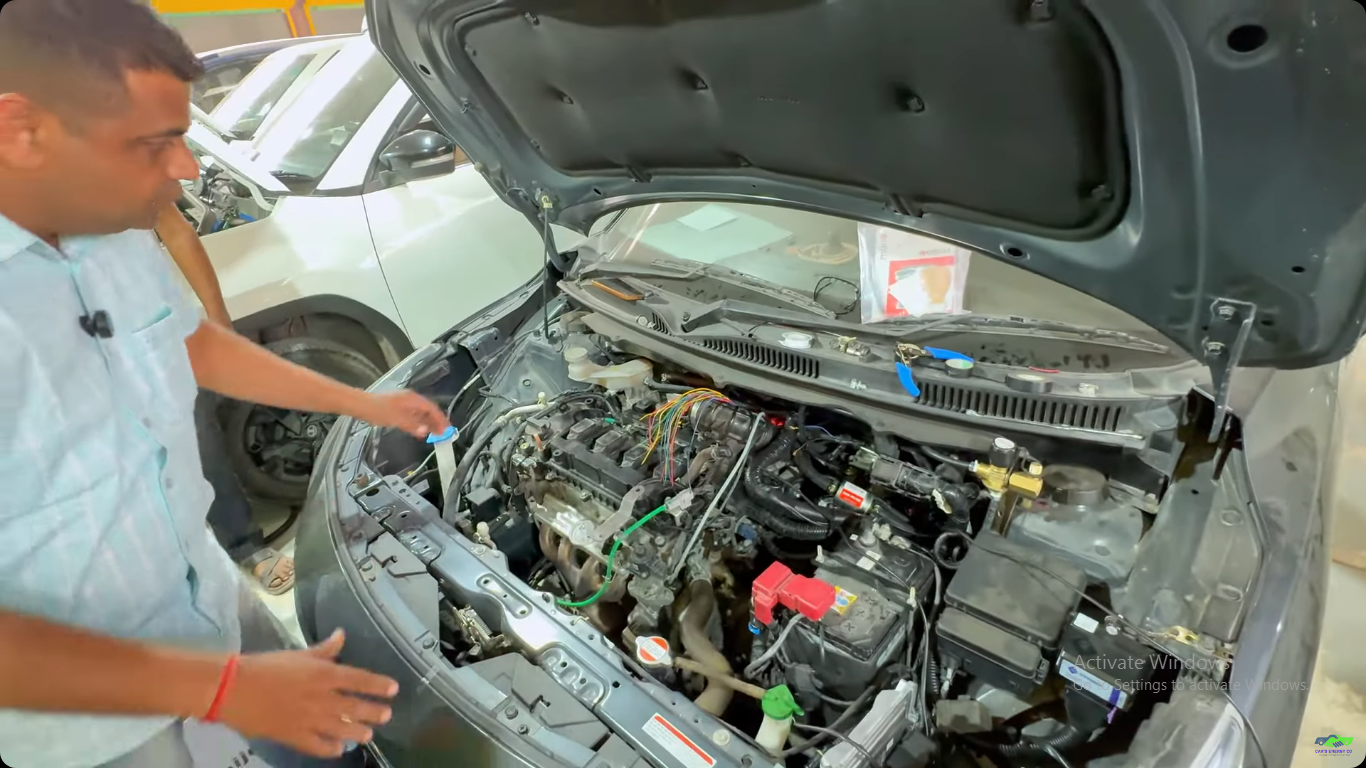
We understand that vehicles in Sikkim face nature's toughest challenges. The extreme cold, heavy snowfall in upper reaches, high altitude, and torrential monsoon rains require a CNG system that is meticulously installed and heavily protected. We stock a comprehensive range of AIS-024 compliant kits and apply rigorous high-altitude and extreme-weather treatments to every installation.
- Sequential MPI CNG Kits (Lovato, BRC, Tomasetto): The absolute best choice for modern BS4 and BS6 fuel-injected cars. These systems use advanced ECU mapping to inject gas precisely, ensuring your car maintains its original power—crucial for climbing the brutal, hairpin bends leading up to Nathu La or the steep sectors of Gangtok.
- Conventional / Venturi Kits: A budget-friendly option for older, carburettor-based vehicles. Suitable for vintage cars but not compatible with modern emission norms, and highly unrecommended for high-altitude climbs.
- Diesel-to-CNG Evaluation: Given the heavy reliance on commercial trucks for trade and essential supplies from Siliguri, we evaluate and convert commercial diesel fleets.
- ECU Tuning & Repairs: If your CNG system is stalling, backfiring, or suffering from altitude-related issues, our diagnostic team can remap the ECU for optimal fuel trims.
- Complete RTO Assistance: We handle the entire paperwork process with the Sikkim RTO (Gangtok, Namchi, Melli, etc.), ensuring your RC gets the mandatory CNG endorsement.
- Annual Maintenance Contracts (AMC): Essential for commercial fleets. Regular filter changes, leak tests, and cold-start inspections are critical to maintaining vehicle health in the freezing, wet environment.
6. Choosing the Right Kit for Sikkim Roads
Driving in Sikkim is a test of both vehicle and driver. You have the congested, steep city roads of Gangtok, the winding mountain passes, and the high-altitude freezing roads of North Sikkim. Your CNG kit must be equipped to handle both extremes without compromising engine health.
Sequential MPI — The Only Choice for Modern Cars
If your car is a modern fuel-injected model, you must install a Sequential MPI kit. These systems read the car's OBD-II computer and deliver the exact amount of gas needed per cylinder. This precise control prevents the engine from running lean (which causes severe overheating and valve burn when climbing steep roads) or rich (which fouls spark plugs). For dealing with Gangtok's traffic and Sikkim's high-altitude climbs, a sequential kit ensures smooth idling and quick, reliable acceleration.
Conventional / Venturi — Strictly for Vintage Vehicles
Venturi kits use a mechanical mixer to draw gas into the engine. They are cheap but result in a severe drop in power and are prone to backfiring. For a modern car, they are a disaster, especially on steep hills or high altitudes. We strictly advise against Venturi kits for any vehicle with an ECU.
7. Kit Comparison Table
| Kit type | Best for | Driveability | Price band | Warranty typical |
|---|---|---|---|---|
| Sequential MPI (branded) | BS4/BS6 fuel-injected cars — recommended for Sikkim | Near-petrol pickup, stable idle, OBD compatible | ₹42,000–₹55,000 | 2–3 years |
| Sequential MPI (budget brand) | Cost-sensitive modern car owners | Good when calibrated correctly | ₹33,000–₹42,000 | 1–2 years |
| Conventional / Venturi | Older carburettor cars only | Noticeable drop in pickup on modern engines | ₹18,000–₹28,000 | 6–12 months |
8. What to Inspect Before You Approve a CNG Installation
Sikkim's extreme weather—particularly the freezing winters, high-altitude snow, landslides, and heavy monsoon—can instantly destroy a poorly installed CNG system. When inspecting your vehicle before delivery, look beyond the cylinder:
- Extreme Waterproofing & Freeze Protection: The CNG ECU, wiring harness, and connectors must be heavily sealed against water ingress and freezing. Ensure the reducer is adequately heated by the engine coolant to prevent icing.
- Anti-Corrosion Treatment: Ensure the cylinder brackets, bolts, and high-pressure lines are treated with anti-rust coatings to withstand the constant dampness, fog, and road salt.
- High-Pressure Line Routing: Ensure the steel pipe is routed away from the hot exhaust manifold and is heavily clamped to prevent vibration damage on rough, unpaved mountain roads.
- Cylinder Mounting: The heavy cylinder must be bolted directly to the metal chassis, not the thin floor pan. The brackets must be securely tightened.
- AIS-024 Certificate: The workshop must provide the type-approval certificate for the kit and an installation certificate.
9. Component Inspection Table
| Component | What it does | What good looks like |
|---|---|---|
| Cylinder | Stores compressed gas | PESO-certified, valid hydro-test stamp, secure mounting, valve protection, rust-free |
| High-pressure line | Carries gas from cylinder to reducer | Steel or reinforced, properly bent and deburred, anti-rust coated, no chafing |
| Reducer / vaporiser | Drops pressure and converts gas to vapour | Correctly sized for the engine, heated by coolant to prevent icing in sub-zero temps |
| ECU and wiring | Controls gas injection and fuel switching | Calibrated map (altitude compensated), fused circuits, heavy-duty waterproof harness |
10. How a Sikkim Installation Moves Through Our Process
We follow a strict, standard operating procedure for every vehicle, taking 5-7 hours. This ensures that whether you are getting a personal car converted in Gangtok or a commercial tourist taxi in Siliguri, the safety and quality remain identical:
- Phase 1: Health Check (1 Hour): We check engine compression, inspect the spark plugs, and scan the OBD-II port. If the engine is too worn out, converting to CNG will only amplify existing problems, especially on steep climbs.
- Phase 2: Mechanical Fitment (3 Hours): The cylinder brackets are bolted to the chassis. The high-pressure steel line is routed underneath the car to the engine bay. The filling valve is installed near the fuel tank.
- Phase 3: Plumbing & Wiring (1 Hour): The reducer is connected to the engine's coolant lines to prevent freezing. The low-pressure hose is connected to the injector rail. The CNG ECU is wired into the petrol injectors.
- Phase 4: Leak Test (30 Mins): The system is pressurized. Every single joint is sprayed with a soap solution to check for micro-bubbles. This is a strict safety protocol.
- Phase 5: ECU Tuning & Road Test (1.5 Hours): We run the engine on petrol, map the injection timings, and then switch to CNG. We take the car on a test drive, tuning the fuel trim map via laptop until the drive is perfectly smooth, specifically testing on steep gradients.
11. Sikkim CNG Pricing, Timelines and What Affects the Quote
The cost of CNG installation in Sikkim depends on several factors: the brand of the kit, the size of the cylinder, and your vehicle's engine complexity. We provide a fully transparent, itemized quotation before starting work. The quote includes the hardware, labor, RTO documentation fees, and the mandatory hydro-test certificate. It is crucial to avoid cheap, unbranded kits—they often lack AIS-024 certification, which will guarantee rejection at the Sikkim RTO.
12. Indicative Cost and Timeline Guide
| Item / service | Typical range (Sikkim) | What it covers |
|---|---|---|
| Sequential MPI kit + 60L cylinder | ₹42,000–₹55,000 | Kit, cylinder, injector rail, ECU, labour |
| RTO endorsement fee | ₹1,000–₹3,000 | Application processing under Sikkim Motor Vehicle Rules |
| Cylinder hydro-test certificate | ₹500–₹1,000 | Mandatory safety document for RC endorsement |
| Insurance endorsement | ₹1,500–₹3,500 | Adding the CNG kit to the vehicle policy |
| Typical total (sequential) | ₹45,000–₹62,000 | Kit + installation + RTO + hydro-test + insurance |
13. Legal & RTO Endorsement Requirements in Sikkim
Under the Motor Vehicles Act, altering your vehicle's fuel system without notifying the RTO is illegal. The Sikkim Transport Department strictly enforces these rules. If you are caught driving a CNG vehicle without the RC endorsement, you will face severe fines. Furthermore, in the event of an accident, your insurance company will legally reject your claim if the CNG kit is not endorsed on the RC. You must apply to your local RTO/DTO (Gangtok, Namchi, Gyalshing, Mangan, etc.) to get the fuel type updated in your vehicle's registration documents.
14. Documents Required for RC Endorsement in Sikkim
To ensure a smooth, hassle-free approval at the Sikkim RTO, please prepare a file with the following documents. Missing even one document can cause weeks of delays:
- Original Registration Certificate (RC) of the vehicle.
- Valid Insurance Policy covering the CNG kit.
- Valid Pollution Under Control (PUC) Certificate.
- Duly filled application form.
- Type-Approval Certificate (AIS-024 / AIS-028) from the kit manufacturer.
- Installation Certificate issued by our authorized workshop.
- PESO Hydro-testing Certificate for the CNG cylinder.
- For commercial vehicles: Fitness Certificate, Route Permit, and Proof of Tax Payment.
- Prescribed RTO endorsement fee receipt.
15. Cylinder Safety & Hydro-Testing
The CNG cylinder is built from high-strength steel and is incredibly robust. To ensure safety, the Petroleum and Explosives Safety Organisation (PESO) mandates hydro-testing every three years. This involves filling the cylinder with water and pressurizing it to 1.5 times its normal operating pressure to check for structural expansion. When buying a new or used kit in Sikkim, always check the stamped date on the cylinder. Given the extreme cold and heavy snow, it is critical that the cylinder is well-painted and the valve mechanism is kept clean and protected from freezing and rust.
16. Post-Installation Maintenance & AMC Packages
A CNG kit requires regular, specific maintenance to ensure safety and fuel efficiency. Due to the freezing conditions, muddy roads, and heavy rain in Sikkim, we recommend a thorough inspection every 5,000 km. The low-pressure gas filter should be replaced every 20,000 km, and the high-pressure filter every 40,000 km. Spark plugs should be inspected regularly. Our Annual Maintenance Contracts (AMC) are highly popular among commercial operators, as they cover all scheduled filter changes, leak tests, anti-rust checks, and ECU diagnostics.
17. Impact on Vehicle Warranty & Insurance
Most major car manufacturers state that installing an aftermarket CNG kit may void the engine and powertrain warranty. It is essential to check your specific warranty terms. However, the rest of the car's warranty (suspension, electricals, etc.) remains intact. On the insurance front, you *must* inform your provider immediately after installation. The insurer will charge an additional premium (usually ₹1,500–₹3,500) to add the CNG kit to the policy. If you fail to declare it, the insurer has the right to deny your claim.
18. CNG vs. Petrol vs. Diesel Economics in Sikkim
The economic benefits of CNG in Sikkim are massive due to the exceptionally high cost of petrol and diesel in the region. Here is a realistic comparison based on average running of 1,500 km per month:
| Fuel Type | Approx. Cost per km | Monthly Cost (1,500 km) | Monthly Savings |
|---|---|---|---|
| Petrol | ₹8.00 - ₹9.00 | ₹12,000 - ₹13,500 | — |
| Diesel | ₹7.00 - ₹8.00 | ₹10,500 - ₹12,000 | ₹1,500 |
| CNG | ₹3.00 - ₹4.00 | ₹4,500 - ₹6,000 | ₹7,500+ |
19. Troubleshooting Common CNG Issues
If your CNG vehicle isn't running properly, the symptoms usually point to a specific component:
- Rough Idling / Stalling: Usually caused by a clogged low-pressure filter or moisture ingress into the electrical connectors due to heavy rains and snow.
- Loss of Power: If the car struggles to accelerate (especially on steep hills in Gangtok or North Sikkim), the reducer might be failing, or the ECU calibration is not altitude-compensated.
- Reducer Icing: Common in sub-zero temperatures if the coolant lines are not properly connected or bled.
- Gas Leak Smell: Stop the car immediately in a ventilated area. It could be a damaged rubber O-ring or a loose high-pressure connection.
20. Fleet Conversions: Tourism & Logistics in Sikkim
For commercial operators in Sikkim, CNG is a game-changer. A tourist taxi fleet operating out of Gangtok to destinations like Tsomgo Lake, Pelling, or Lachung, or a logistics fleet transporting goods from the Siliguri border, can slash their operational expenses by nearly half. We offer specialized B2B fleet programs that include phased conversion (so you don't lose all your vehicles at once), standardized kit specifications for easier maintenance, and priority AMC support. This ensures maximum vehicle uptime and a rapid return on investment (ROI).
21. Why Proper ECU Tuning Matters in Sikkim's Altitude
Sikkim's extreme altitude (ranging from 1,000 ft to over 14,000 ft) drastically changes the air density and oxygen levels, which severely affects the combustion process. A generic ECU map tuned at sea level (or a mechanic who "tunes it by ear") will cause the engine to run incredibly rich, leading to severe power loss, fouled plugs, and dangerous overheating. We use professional laptop diagnostics to read the O2 sensor data and precisely map the fuel trims for high-altitude performance, ensuring the engine runs cool, smooth, and powerful regardless of the elevation.
22. First-Time CNG Buyer's Guide
If this is your first time converting a vehicle, keep these points in mind:
- Always choose a Sequential kit for a modern car. Do not compromise on brand; stick to Lovato, BRC, or Tomasetto.
- Ensure the workshop is authorized to issue AIS-024 certificates. Without it, the Sikkim RTO will reject your RC endorsement.
- Expect a reduction in boot space. A 60L cylinder takes up a significant portion of a hatchback's trunk.
- You will need to get your car serviced more frequently—every 5,000 to 7,000 km for engine oil and filters.
- Always start the car on petrol and let it warm up for 5 minutes (or longer in winter) before switching to CNG.
23. Claiming Insurance After a CNG Incident
If you are involved in an accident, the insurance surveyor will specifically look for the CNG documentation. If your RC does not have the fuel type updated, the insurer can deny the entire claim. Even with the endorsement, you must produce the PESO hydro-test certificate and the installation invoice to prove the kit's age and value. We advise our customers to keep digital copies of all these documents in their email or cloud drive for easy access during emergencies.
24. Environmental Impact in Sikkim
Sikkim is globally renowned for its pristine glaciers, rich biodiversity, and status as India's first fully organic state. However, the increasing number of tourist vehicles, especially during peak season, is contributing to air and noise pollution, threatening the fragile Himalayan ecosystem. CNG vehicles emit significantly lower levels of carbon monoxide, hydrocarbons, and particulate matter compared to petrol and diesel. Because CNG burns cleaner, it also reduces the formation of smog. By converting your vehicle to CNG, you are actively contributing to preserving Sikkim's fragile ecosystem and supporting the state's green initiatives.
25. Common Myths About CNG Kits
Myth 1: CNG cars are slow.
Fact: Modern sequential kits with precise ECU tuning deliver 95% of the original petrol performance, even at high altitudes.
Myth 2: CNG cylinders are dangerous in cold weather.
Fact: PESO-certified cylinders are made of thick steel and heavily tested for extreme temperatures and pressures. They are much safer than petrol tanks in a collision.
Myth 3: CNG kills the engine.
Fact: CNG burns cleaner than petrol, producing less carbon buildup. Your engine oil will actually stay cleaner for longer.
26. Post-Conversion Checklist for Sikkim Drivers
Once you take delivery of your converted vehicle, follow this checklist:
- Verify the installation certificate and PESO certificate match the cylinder number in your car.
- Check that all exposed metal parts (brackets, lines) are properly painted or rust-proofed.
- Run the car on petrol for the first 15 minutes of every day to warm up the engine.
- Check the coolant level regularly; the reducer uses hot coolant to vaporize the gas and prevent icing.
- Monitor your mileage for the first 1,000 km. If it drops drastically, bring it back for an ECU recalibration.
- Submit the RTO paperwork immediately to get the RC endorsed.
- Notify your insurance company and pay the additional premium.
27. Upcoming CNG Infrastructure in Sikkim
The future of CNG in Sikkim is highly promising. The central government has been aggressively pushing to expand the City Gas Distribution network to the Northeast to promote clean energy. New stations and pipeline extensions are being planned and developed, connecting Sikkim further to the national gas grid. This means that the "range anxiety" of travelling between districts will eventually become a thing of the past. For commercial fleets doing inter-state transport to Siliguri and beyond, these new stations will allow for uninterrupted long-haul journeys.
28. Customer Success Stories in Sikkim
The Gangtok Tourist Taxi Operator: A fleet operator with 10 Maruti Ertigas used for tours to Tsomgo Lake and Baba Mandir switched to sequential CNG kits. Their daily fuel cost dropped by more than 55%. The initial investment was recovered in just 12 months, significantly increasing their profit margins.
The Rangpo Commuter: A factory manager commuting daily between Rangpo and Singtam saved over ₹7,500 per month. The smooth performance of the Lovato sequential kit made the daily drive highly economical compared to his old petrol expenses.
29. Sikkim Districts, Divisions and Markets We Serve
We support CNG kit installation across the whole of Sikkim — from the lower plains to the high-altitude northern districts. Buyers include private car owners, ride-hailing drivers, tourist taxi fleets, logistics operators, and small business owners. We have dedicated documentation teams familiar with the specific procedures of the Sikkim RTO, ensuring your RC endorsement is smooth regardless of your district.
30. Location Grid
East Sikkim
Gangtok, Rangpo, Singtam, Pakyong. The state's primary economic hub, highest vehicle density, and highest potential for early CNG adoption.
South Sikkim
Namchi, Jorethang, Melli. Driven by trade connectivity and agricultural logistics.
West Sikkim
Gyalshing, Pelling, Soreng. Heavily dependent on tourist vehicles; requires specially tuned kits for steep, winding mountain roads.
North Sikkim
Mangan, Chungthang, Lachung. Extreme high-altitude and freezing conditions; requires maximum anti-freeze and altitude compensation tuning.
31. Frequently Asked Questions
Is CNG kit installation legal in Sikkim?
Yes. CNG retrofitment is legal when the kit is type-approved under AIS-024/AIS-028 and endorsed on the Registration Certificate through the RTO. Driving without an endorsement is illegal.
How much does it cost in Sikkim?
A sequential MPI kit with a 60L cylinder typically costs ₹42,000–₹55,000. With RTO and insurance, expect a total of ₹45,000–₹62,000.
How long does the installation take?
The physical fitment and tuning take 5–7 hours. RTO endorsement takes an additional 7–30 working days depending on the district.
Can I install CNG in a BS6 car?
Yes. BS6 cars require a sequential MPI kit with proper ECU calibration. Venturi kits are absolutely not suitable for BS6 vehicles.
Do you help with RTO paperwork?
Yes. We prepare the application package, coordinate with the Sikkim RTO, and guide you through RC endorsement after installation.
Will it void my car's warranty?
It may void the engine/powertrain warranty. Some manufacturers offer factory CNG. If you convert aftermarket, discuss the warranty implications with your dealer before proceeding.
32. Why Choose Cars Energy for Your Sikkim Installation
We combine technical expertise with strict regulatory compliance. We understand the specific challenges of high-altitude environments, extreme cold, and torrential monsoons, offering heavy-duty waterproofing, freeze protection, and altitude-compensated ECU tuning that generic garages ignore. Our in-house documentation team ensures your paperwork is flawless, saving you multiple trips to the RTO. Our certified technicians are trained on the latest sequential MPI calibration software, guaranteeing a safe, leak-free, and highly optimized installation. We are your end-to-end CNG partner in Sikkim.
33. Book Your Installation Today
Workshop: 215 & 216/5, Ground Floor, Opposite Metro Pillar 536, Mundka, Udyog Nagar, New Delhi 110041. Serving Sikkim customers with scheduled fitment slots.